
Foods That Support Healthy Eyes
Discover the science-backed nutrients and natural foods that nourish your vision and protect your eyes from age-related changes. Learn how everyday choices can strengthen your visual wellness.
Why Eye Nutrition Matters
Your eyes are among the most nutrient-dense organs in your body. They require specific vitamins, minerals, and antioxidants to function optimally and maintain clarity throughout your life. The foods you eat directly impact your visual capacity and long-term eye wellness.
At Novirav, we believe that understanding which foods support your eyes is the foundation of a proactive approach to visual health. This guide explores the key nutrients, the foods that contain them, and how you can integrate them into your daily routine.

The information on this site is for educational purposes only and does not constitute medical advice. Always consult a qualified healthcare professional before making health decisions.
Key Eye-Supporting Nutrients
Lutein and Zeaxanthin
These carotenoids filter blue light and protect the retina. They accumulate in the macula, the central part of your retina responsible for sharp vision. Found abundantly in leafy greens, they work as natural antioxidants to shield your eyes from oxidative stress.
Vitamins C and E
Powerful antioxidants that neutralize free radicals damaging eye cells. Vitamin C supports collagen formation in the cornea, while Vitamin E protects cell membranes. Together, they form a protective shield against age-related visual changes and environmental stress.
Anthocyanins
Dark red and purple pigments in berries and dark fruits offer exceptional antioxidant protection. They reduce eye strain and support blood circulation to the retina. Regular consumption helps maintain visual sharpness and reduces fatigue during extended focus activities.
Omega-3 Fatty Acids
Essential for retinal function and tear film stability. Omega-3s improve blood flow to the eyes and support the structural integrity of cell membranes. They are particularly important for reducing dryness and maintaining comfortable vision throughout the day.
Zinc and Copper
Mineral cofactors that enable absorption of other eye-supporting nutrients. Zinc is concentrated in the retina and supports night vision adaptation. Copper aids in iron metabolism, essential for oxygen delivery to eye tissues.
Beta-Carotene
Your body converts beta-carotene into Vitamin A, critical for rhodopsin production in the retina. This pigment enables light detection and is essential for clear vision in varying light conditions. Orange and yellow vegetables are rich natural sources.
Top Foods for Eye Health
Practical, accessible foods you can add to your meals today to nourish your visual wellness
Spinach & Kale
Leafy greens are among the richest sources of lutein and zeaxanthin. A single serving of cooked spinach contains more of these eye-protecting compounds than many supplements. These nutrients are fat-soluble, so pair them with olive oil or avocado for optimal absorption.
- Raw in salads or smoothies
- Lightly sautéed with garlic
- Blended into soups
Fatty Fish
Salmon, mackerel, and sardines deliver omega-3 fatty acids that support retinal structure and reduce inflammation. These fish also contain astaxanthin, a powerful antioxidant unique to aquatic organisms. Regular consumption contributes to visual clarity and reduces eye strain.
- Grilled or baked twice weekly
- In poke bowls with vegetables
- Canned varieties for convenience
Berries
Blueberries, blackberries, and raspberries contain anthocyanins that provide exceptional antioxidant support. These compounds cross the blood-brain barrier to reach eye tissues. Fresh, frozen, or dried berries maintain their nutrient density and offer convenient year-round availability.
- Fresh as snacks or desserts
- Frozen in smoothies
- Mixed into yogurt or oats
Orange & Yellow Vegetables
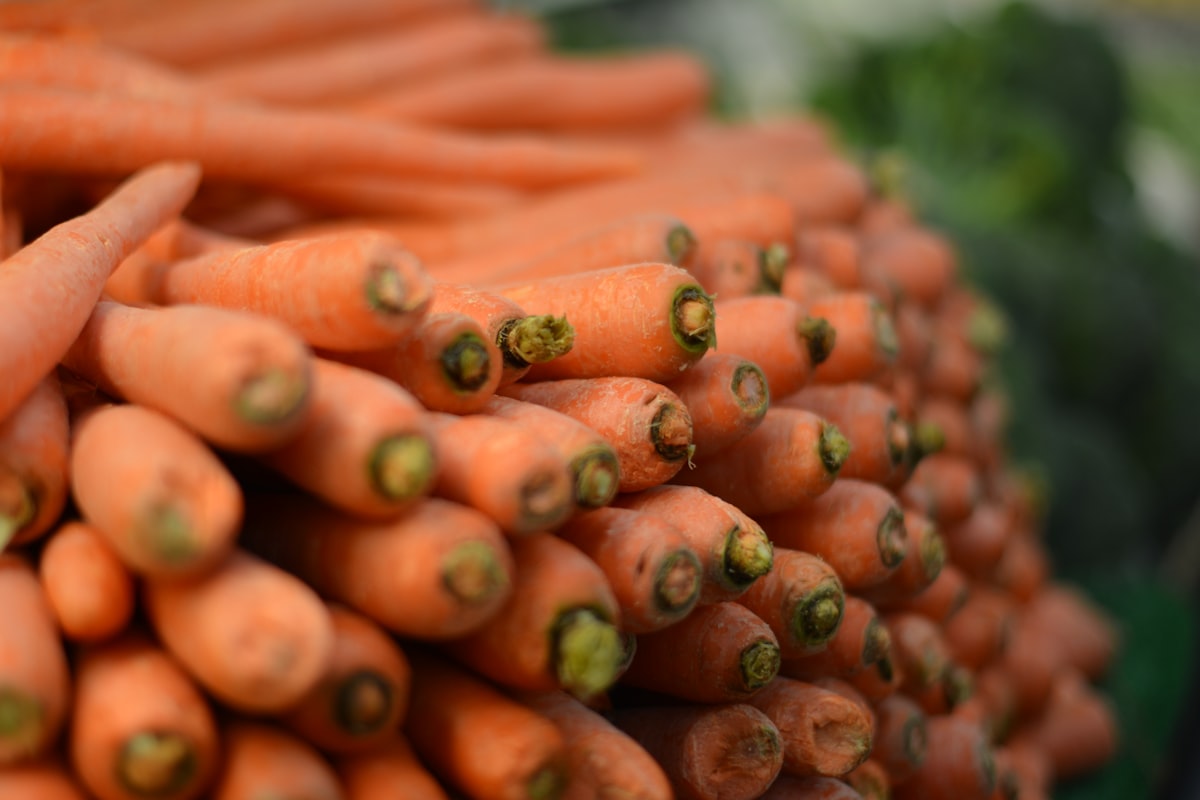
Carrots, sweet potatoes, and squash are loaded with beta-carotene, which your body converts to Vitamin A. This nutrient is fundamental for maintaining clear vision and supporting your eyes' adaptation to different lighting conditions. Include them in roasted dishes or soups.
- Roasted as side dishes
- Raw in slaws or with hummus
- In curries and stews
Eggs
Egg yolks contain lutein, zeaxanthin, and zinc—a complete eye-health nutrient package. The choline in eggs also supports visual development and cognitive function. Eggs are an accessible, affordable source of multiple eye-supporting compounds in a single food.
- Boiled for grab-and-go snacks
- Scrambled with vegetables
- In omelets with leafy greens
Nuts & Seeds
Almonds, walnuts, and sunflower seeds provide Vitamin E, omega-3s, and selenium. These nutrients work synergistically to reduce inflammation and support eye cell regeneration. A small handful daily offers concentrated nutrition without excessive calories.
- As daily snacks or trail mix
- Sprinkled over salads
- Ground into nut butters
Building an Eye-Healthy Diet
Prioritize Color Variety
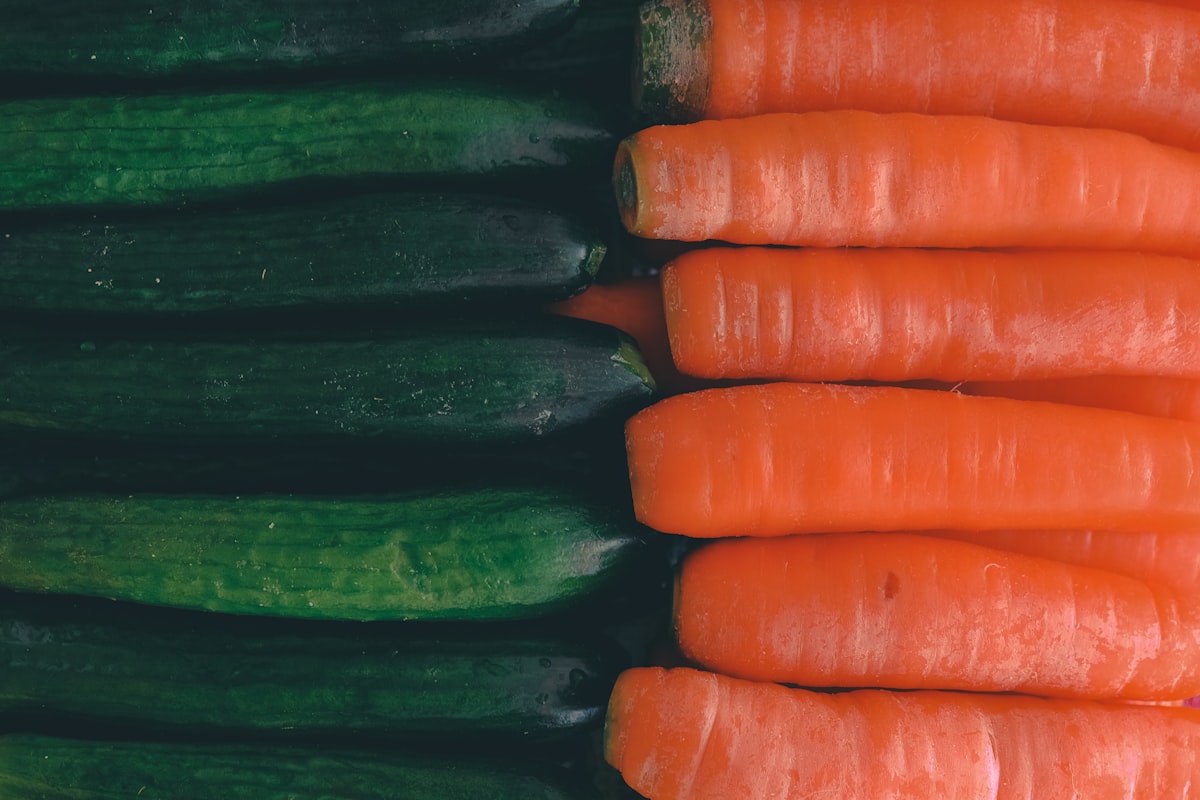
Each color in the food spectrum offers different nutrients. Red tomatoes contain lycopene, orange vegetables provide beta-carotene, purple berries deliver anthocyanins, and green leafy vegetables supply lutein. Aim for a rainbow of colors across your meals to ensure you're getting a comprehensive range of eye-supporting compounds. This natural variety is more effective than trying to supplement each nutrient individually.
- Include at least 3 colors per meal
- Rotate seasonal produce for peak nutrition
- Frozen vegetables retain nutrients year-round

Pair with Healthy Fats
Lutein, zeaxanthin, and other fat-soluble nutrients require dietary fat for absorption. Pair your leafy greens with olive oil, avocado, or nuts. Prepare carrots and sweet potatoes with a drizzle of oil or cook them with seeds. This simple practice dramatically increases the bioavailability of eye-protecting compounds, allowing your body to utilize them more effectively.
- Use extra virgin olive oil on salads
- Cook with coconut or avocado oil
- Add nuts, seeds, or nut butters to meals
Minimize Processing
Processing, heating, and storage can degrade some eye-supporting nutrients. Eat fresh vegetables raw or lightly cooked when possible. However, some nutrients like lycopene in tomatoes and beta-carotene in carrots are actually more bioavailable when lightly cooked. The key is varying your preparation methods and consuming foods soon after purchase for maximum nutritional benefit.
- Buy fresh produce frequently
- Light cooking preserves many nutrients
- Avoid prolonged storage at room temperature

Focus on Consistency
Eye health develops over months and years of consistent nutrition. You don't need dramatic dietary overhauls—simple, sustainable changes compound into significant benefits. Start by adding one eye-healthy food per week to your regular meals. Make these foods habitual rather than occasional. Small, regular choices build stronger nutritional support than sporadic intense efforts.
- Add greens to familiar dishes
- Keep eye-healthy snacks visible
- Plan meals that feature multiple nutrients
Sample Eye-Healthy Meals
Breakfast: Green Smoothie Bowl
Blend spinach, blueberries, banana, and almond milk. Top with almonds, ground flaxseed, and fresh berries. This combination delivers lutein, zeaxanthin, anthocyanins, and omega-3s in one convenient meal that takes five minutes to prepare.
- Key nutrients: Lutein, anthocyanins, omega-3s
- Preparation time: 5 minutes
- Frequency: 3-4 times weekly
Lunch: Salmon & Roasted Vegetables
Baked salmon with roasted sweet potato, broccoli, and carrots drizzled in olive oil. Add a side salad with mixed greens and a lemon vinaigrette. This meal provides omega-3s, beta-carotene, vitamins C and E, and antioxidants in one satisfying portion.
- Key nutrients: Omega-3s, beta-carotene, zinc
- Preparation time: 25 minutes
- Frequency: 2-3 times weekly
Dinner: Vegetable Stir-Fry
Stir-fry bell peppers, kale, mushrooms, and snap peas in coconut oil. Add cashews for crunch and serve over quinoa or brown rice. Include a small portion of tofu or chicken for complete protein with comprehensive eye-supporting nutrients.
- Key nutrients: Vitamin C, lutein, antioxidants
- Preparation time: 20 minutes
- Frequency: 3-4 times weekly
Common Questions About Eye Nutrition
How much of these foods do I need to eat to support eye health?
There's no one-size-fits-all amount, as individual needs vary based on overall diet and genetics. Research suggests consuming 1-2 cups of dark leafy greens daily, 2-3 servings of colorful vegetables per week, and including fish 2-3 times weekly can significantly support eye health. Consult a nutritionist for personalized recommendations.
Can supplements replace eating whole foods for eye health?
Whole foods provide fiber, additional nutrients, and phytonutrients that isolated supplements cannot fully replicate. While supplements can help fill gaps, they work best alongside a balanced diet rich in whole foods. Always consult your healthcare provider before starting new supplements.
Are there foods I should avoid for better eye health?
Limit foods high in trans fats, refined sugars, and sodium, as these may increase inflammation and age-related eye diseases. Excessive alcohol and processed foods can also impair nutrient absorption. Focus on whole, unprocessed foods to maintain optimal eye health.
What Our Community Says
Thousands of people have improved their eye health through better nutrition. Here are their stories.
"My eye strain dramatically decreased within weeks of following Novirav's nutrition guide. I feel sharper and my vision feels clearer!"
Sarah M.
Digital Professional
"I love how practical and science-backed the recommendations are. No gimmicks, just solid nutritional advice that actually works."
James T.
Software Developer
"As someone over 50, I was worried about macular degeneration. Novirav's guidance gave me peace of mind and actionable steps."
Linda P.
Retired Educator
Ready to Transform Your Eye Health?
Start your journey today with science-backed nutrition strategies. Download our free eye health nutrition guide now.
No credit card required • Free forever resources • Unsubscribe anytime